Cart
0
You may also like



There’s nothing quite like wrapping yourself in a soft, fluffy towel after a warm shower. But over time, even your favourite towels can start feeling rough, stiff, or less comfortable than they did when you first bought them. While fabric softener may seem like the obvious solution, it isn’t always the best choice for towels. In fact, regular use of fabric softener can leave a coating on towel fibres that may reduce their ability to absorb water. The good news is that you can keep your towels soft, fresh, and comfortable without relying on fabric softener.
One of the simplest ways to keep towels soft is to avoid using too much laundry detergent. It may seem logical that more detergent means cleaner towels, but excess detergent can remain trapped between the fibres, making them feel stiff over time. Always follow the recommended detergent quantity for your washing machine and load size. If your towels are only lightly soiled, you may need less detergent than you think.
It is also a good idea to wash towels separately from clothes whenever possible. Towels produce lint and need enough space in the washing machine for water and detergent to circulate properly. Overloading the machine can prevent them from being thoroughly cleaned and rinsed, which can contribute to a rough texture.
Hot, aggressive washing may seem like the best way to clean towels, but repeated exposure to high temperatures and harsh cycles can gradually affect the fibres. For everyday towel care, choose a gentle cycle and follow the care instructions provided with your towels.
If you are using bamboo towels, this becomes especially important. Debaans recommends machine washing its bamboo towels in cold water on a gentle cycle with a mild detergent. The brand also advises avoiding bleach and fabric softeners to help maintain the quality of the fabric.
It may sound surprising, but fabric softener isn't necessarily your towel's best friend. Fabric softeners work by coating textile fibres, creating that smooth and soft sensation. However, on towels, this coating can interfere with absorbency. Since the primary job of a towel is to absorb moisture, using fabric softener regularly may work against what you actually want from it.
Instead, focus on proper washing, thorough rinsing, and the right drying method. Your towels can feel naturally softer without adding another product to your laundry routine.
Don't Overload Your Washing Machine
Towels need room to move. When you pack too many into one washing machine load, they may not get enough water or space to rinse properly. This can leave detergent residue behind and make the towels feel heavier and rougher once they dry.
Give your towels enough room to tumble freely. It may mean doing an extra load, but the result can be cleaner, fresher, and softer towels.
How you dry your towels can make a noticeable difference to their texture. If you use a dryer, avoid excessively high heat, as repeated high-temperature drying can damage fibres over time. A low or moderate setting is generally a better option.
Air drying is another simple alternative. Hang towels in a well-ventilated area and make sure they are spread out rather than folded over themselves. Good airflow helps them dry properly and prevents that damp smell that can develop when towels remain wet for too long.
For bamboo towels, Debaans recommends tumble drying on a low setting or air drying to help prevent shrinkage.
Bleach can be harsh on fabric fibres, particularly when used frequently. Although it can help with certain stains, regular use may affect the softness and longevity of your towels. Unless the care label specifically recommends it for a particular purpose, it is better to choose a gentle laundry routine.
For everyday towel washing, mild detergent and the correct wash cycle are usually enough to keep towels clean and comfortable.
If your towels have started feeling stiff because of detergent or mineral buildup, white vinegar can be an occasional alternative to conventional fabric softener. Adding a small amount of white vinegar to the rinse cycle can help remove some residue and leave fabrics feeling fresher.
However, it is best not to overdo it, and vinegar should never be mixed directly with bleach or other cleaning chemicals. If you're unsure about using it on a particular fabric, check the manufacturer's care instructions first.
Here's a small trick that can make a difference: shake your towels out before putting them on the drying line or into the dryer. This helps separate the fibres and prevents the fabric from drying in a tightly compressed state. Once dry, give them another quick shake before folding.
It takes only a few seconds, but this simple habit can help your towels feel less stiff, particularly when air drying.
Sometimes, keeping towels soft isn't only about how you wash them. The material itself plays a major role. If your current towels have become rough despite proper care, switching to a naturally softer fabric may be worth considering.
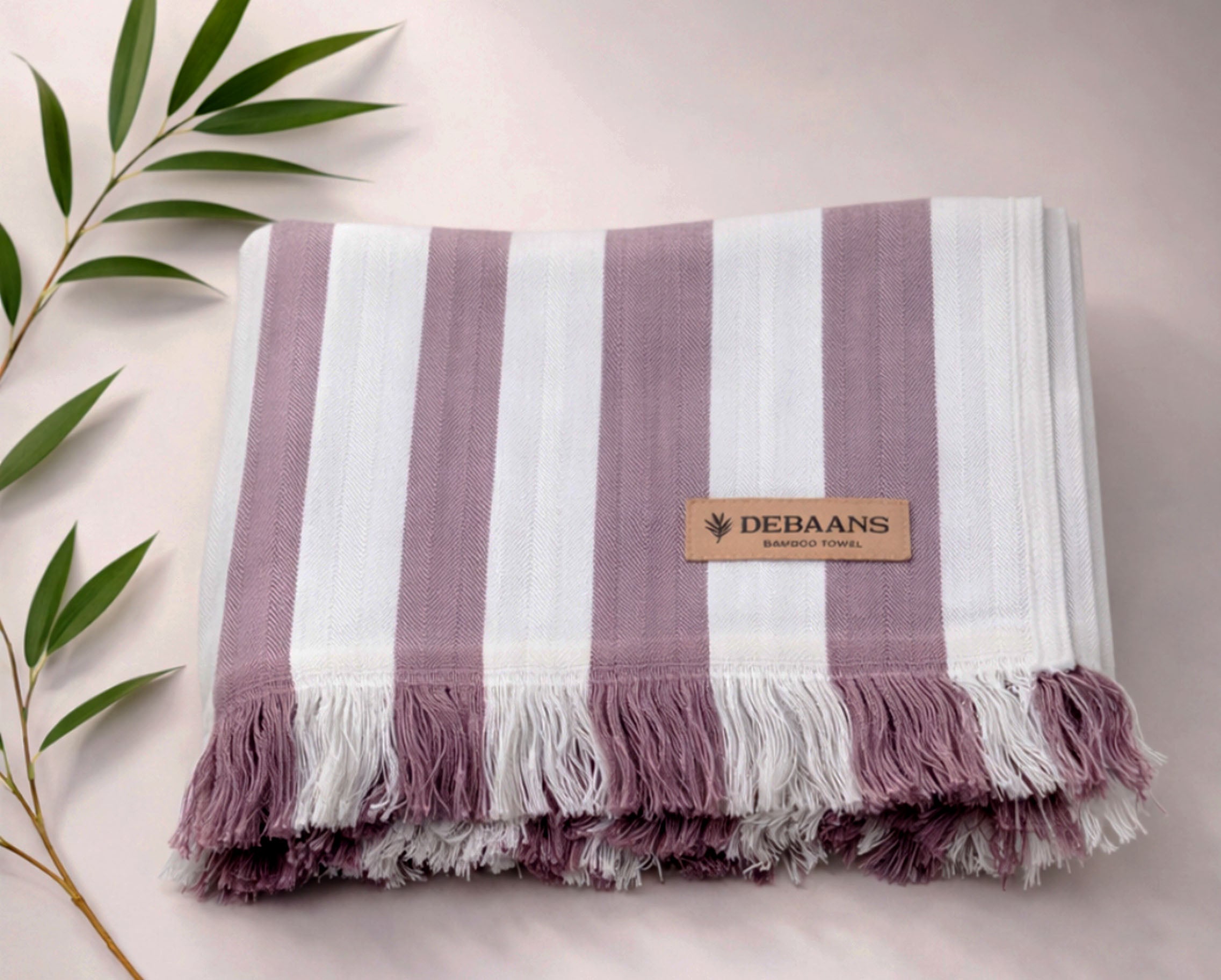
Bamboo towels are known for their smooth, soft feel and moisture-wicking properties. Debaans offers a range of towels made from 100% bamboo, including its Bamboo Bath Towels, which are designed to be soft, absorbent, lightweight, and quick-drying. The brand states that its bamboo towels offer up to 3x the absorbency and dry up to 30% faster than cotton, based on its product comparisons.
For a simple everyday option, the Debaans Bamboo Bath Towel is available in different colours and is designed with a soft, silky texture that feels gentle against the skin. If you need towels for the whole family, the Set of 4 Bamboo Bath Towels offers four large 100% bamboo bath towels.
If you're looking for something beyond a single bath towel, Debaans also offers coordinated towel sets. The Quatrefoil Jacquard Towel Set includes a bath towel, hand towel, and two face towels, all made from 100% bamboo. There are also sets combining bath and hand towels, making it easier to create a coordinated towel collection for your bathroom.
If you've purchased new towels, don't be tempted to use them straight out of the packaging. Washing them before their first use can help remove manufacturing residues and prepare the fibres for better absorbency. Follow the care label and avoid adding fabric softener during the first wash.
This is particularly useful when buying towels made from naturally soft materials such as bamboo. With the right care routine, the fabric can maintain its comfortable feel through repeated use.
Even the softest towel can become unpleasant if it stays damp for too long. After using your towel, hang it fully open rather than leaving it crumpled on a bed, chair, or bathroom floor. Allowing air to circulate around the entire towel helps it dry faster and keeps it fresher between washes.
If your bathroom has poor ventilation, consider drying your towel somewhere with better airflow. This small change can make a big difference to how fresh your towels feel from one use to the next.
You don't need fabric softener to enjoy soft, comfortable towels. The key is to combine the right washing habits with proper drying and, when necessary, choose a towel made from a naturally soft and absorbent material.
Use the right amount of mild detergent, avoid overloading your washing machine, choose a gentle wash cycle, skip fabric softener and bleach, and make sure your towels dry completely between uses. And if you're ready to upgrade your bathroom essentials, consider exploring Debaans' collection of 100% bamboo towels, designed to combine softness, absorbency, quick drying, and everyday comfort.
A softer towel doesn't have to come from a bottle of fabric softener. Sometimes, it's simply about better laundry habits—and choosing the right fabric from the start.